 Divyesh Bhatasana
The best social media marketing campaigns consist of a distinct theme, reasons for which consumers will participate in the campaign, and shareable content. These are five social media campaigns which have been paid maximum attention by scholars in academic literature as they have made their consumers active participants in the campaign and not mere spectators: Spotify Wrapped, Dove’s Real Beauty Campaign, Apple’s #ShotOniPhone, Duolingo’s TikTok Campaigns, and Share a Coke of Coca-Cola.
Top Picks 3 at a Glance
| Rank | Campaign | Why It Stands Out |
| 1 | Spotify Wrapped | Best example of data-driven personalisation turned into shareable content |
| 2 | Duolingo (TikTok/Social) | Best example of a distinctive, low-budget brand voice built for social-first platforms |
| 3 | Coca-Cola Share a Coke | Best example of turning a physical product into a participatory social media campaign |
Introduction
An effective social media campaign is one where an action is created for the user rather than a view. The five campaigns mentioned in this article, including Spotify Wrapped, Dove’s Real Beauty, Apple’s #ShotOniPhone, Duolingo, and Coca-Cola’s Share a Coke, have one thing in common; they engaged their audience in the story.
Audience interaction is important since algorithms favor content that people interact with, talk about, and post. It is rare for a campaign that merely encourages people to view to go far. However, if it involves asking people to submit their own information, photo or product, it would make them ambassadors for free.
The most successful campaigns also connect creativity with clear business goals more app downloads, higher sales, stronger brand recall, or renewed cultural relevance. Creativity without a business objective is just noise; a business objective without creativity rarely gets noticed in a crowded feed, which is why a solid campaign strategy matters as much as the creative idea itself.
How We Selected These Social Media Campaigns
Each campaign was evaluated using six key criteria commonly applied to social media marketing campaign analysis. We considered creativity and originality to determine whether each concept felt fresh and distinctive. Audience participation measured how effectively campaigns encouraged people to take action. Platform relevance assessed whether content was designed specifically for its social channel.
We also analyzed brand consistency for the campaigns to be in line with the brand values and offerings. The campaign effectiveness included the measureable outputs, for instance, sales, downloads, or brand sentiment. Moreover, the ability to share and engage helped in determining whether the users commented, shared or even created their content.
5 Best Social Media Campaigns to Learn From
1. Spotify Wrapped – Personalisation That Drives Sharing
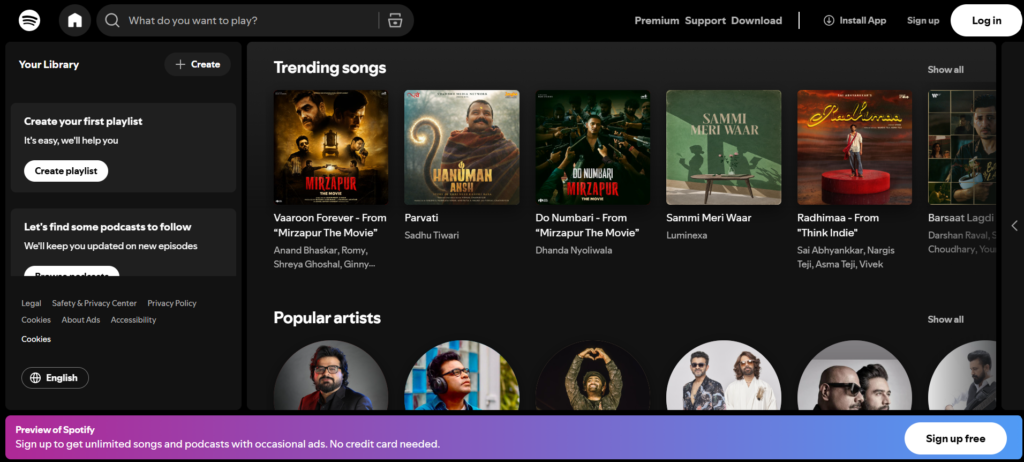
Spotify Wrapped refers to an annual end-of-year summary offered by Spotify which translates data about the individual listener into a story. Having been launched in 2016, Spotify Wrapped has turned out to be a very popular moment in the world of digital marketing and the yearly summary has become a part of culture with a wider audience among Generation Z.
What makes Wrapped a leading example of viral marketing campaigns is how little Spotify has to do once the data is ready. People do not share data, they share identity a top-artists list works like a personality-test result, so users post it voluntarily, handing the brand free organic reach. The latest edition of Spotify mentioned that the result of Wrapped was more than 300 million users engaging with it and more than 630 million shares in social media in 56 different languages, and the previous time there was an increase of 21% mobile app downloads in one week since its launch.
Key Features
- Personalised, data-driven story format for every individual user
- Native, tap-through mobile design built for Instagram Stories and TikTok
- A live multiplayer comparison feature added to encourage social sharing
- Localisation across dozens of languages for global reach
- Yearly refresh with new data categories to keep the format from feeling repetitive
Pros
- Near-zero paid media cost relative to reach
- Extremely high organic share rate
- Strengthens retention as well as acquisition
- Easy to localise across markets and languages
Cons
- Relies on having rich first-party user data most brands lack
- Only works once a year, limiting frequency
- Raises privacy considerations around personal data
- Difficult to replicate without significant data infrastructure
Campaign Investment: Spotify has not revealed any budget in this regard; however, analysts mention that there are billions of impressions created for Wrapped at a cost that would have required millions of dollars if done through conventional means of advertising.
2. Dove Real Beauty – Turning Brand Values Into Conversation
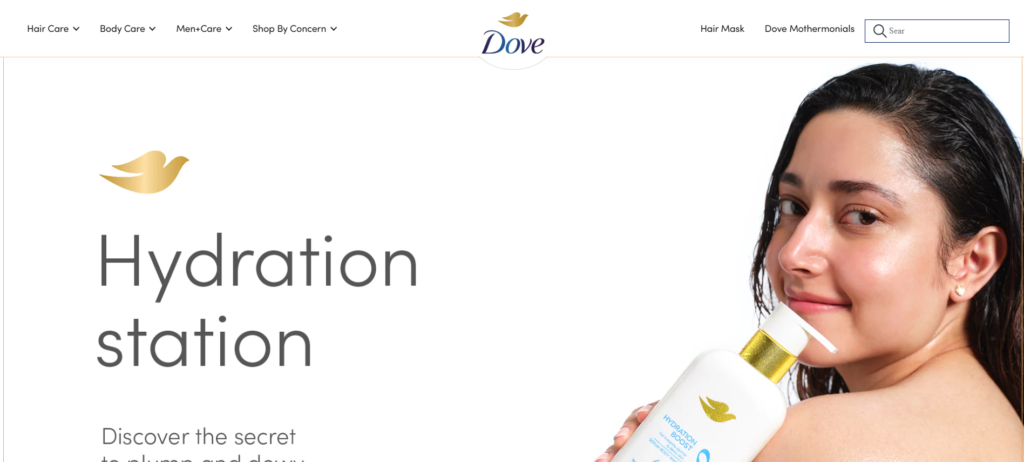
Dove‘s Real Beauty platform is one of the longest-running brand engagement strategy case studies in marketing. The idea was born after research revealed that only 2% of women felt like they were beautiful, which prompted Dove to take on the beauty industry for their representation of women. Instead of creating a one-time advertisement, it turned into an 20-year campaign of purpose-driven communication.
The financial results back up the emotional impact. During that period, Dove sales increased from $2.5 billion to more than $4 billion, and the marketing effort also yielded free media attention valued at over $150 million. The later executions have continued to make the platform culturally relevant; the recently released short film called “The Code” has reportedly earned over 500 million organic views and 4 billion organic impressions with 94% positive sentiment and a brand impact score of 95 out of 100.
Key Features
- Long-term commitment to a single purpose-led message rather than one-off ads
- Real, non-model consumers featured instead of professional talent
- Regular research studies used to fuel new content and PR moments
- Expansion into a global self-esteem education programme
- Willingness to address new issues, including AI-generated beauty standards
Pros
- Builds deep long-term brand loyalty and trust
- Generates significant earned media without paid spend
- Ties emotional storytelling directly to sales growth
- Adapts to new cultural issues, keeping the campaign current
Cons
- Requires years of consistent investment to feel authentic
- Open to accusations of “purpose-washing” if inconsistent
- More challenging to calculate ROI than performance-based advertising
- Possibility of backlash in the case of performative messaging
Campaign Investment: Exact numbers have not been released by Dove, but it has claimed that its underlying sales growth in 2023 was the highest in more than a decade and contributed around €6 billion to its parent company, Unilever.
3. Apple – Putting Customers at the Centre
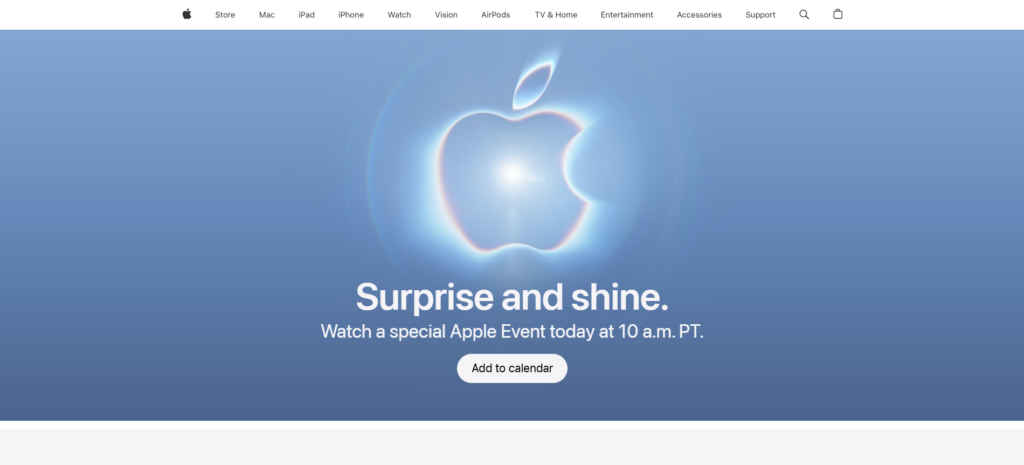
Apple‘s “#ShotOniPhone” is often regarded as the best user-generated campaign executed by any brand worldwide. It was launched back in 2015, and it called on people who used iPhones as cameras to submit their best photos, which were subsequently posted on billboards, in stores and even in social media pages of Apple. The company collected pictures from 77 individuals in 24 different countries during the first round of the campaign.
The campaign’s scale has only grown since launch. It created 6 million UGC-related Instagrams, created 6.5 billion media impressions and was mentioned 24,000 times by opinion leaders around the world, 95% of which were positive mentions. Today, almost 10 years later the hashtag has created 28.9 million Instagrams and 4.2 billion TikTok videos shows powerful longevity for a one concept forever.
Key Features
- Simple hashtag mechanic that any customer can join with no special skill
- Minimalist creative direction that puts the photo, not the copy, first
- Regular themed challenges (macro photography, night mode, and more)
- Cross-platform use of winning submissions in out-of-home and digital ads
- Combination of everyday users and professional photographers for credibility
Pros
- Builds authentic social proof
- Costs far less than traditional photoshoots
- Keeps the product (the camera) as the hero
- Sustains relevance for nearly a decade
Cons
- Success depends on already having a large, engaged user base
- Harder for smaller brands without existing product credibility
- Requires ongoing moderation of submissions
- Message can feel repetitive without fresh themes
Campaign Reach & Impact: In addition to the impression figures, the sales of iPhones increased by 23% after the campaign was launched and it also received several Cannes Lions awards for the campaign including a Grand Prix for the outdoor category in 2016, and a Grand Prix for Creative Effectiveness in 2025.
4. Duolingo – Building a Social-First Brand Personality
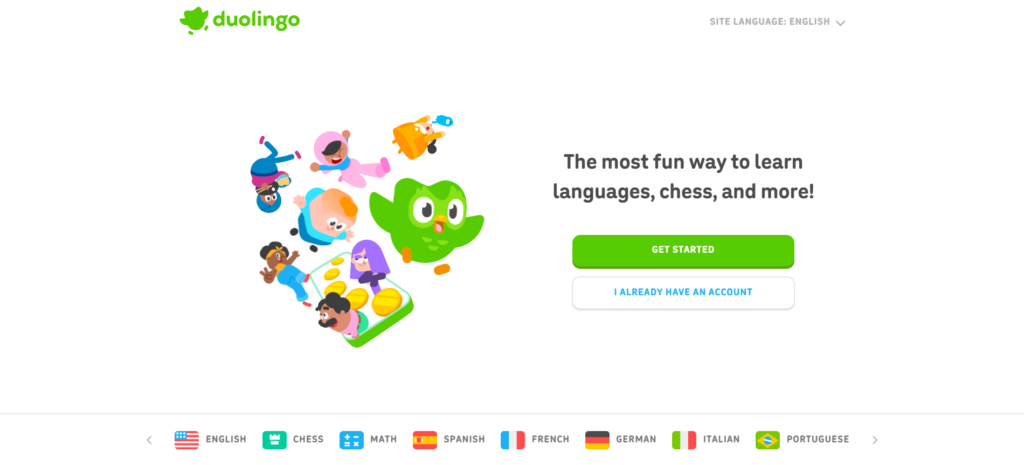
Duolingo‘s social media presence, anchored by its green owl mascot Duo, is one of the most-copied examples of a distinctive brand voice built specifically for social platforms rather than adapted from traditional advertising. The strategy began with almost no budget: Duolingo’s TikTok success started with virtually no budget, described by its creator as simply having “a crusty owl suit and an iPhone”, and the account has since grown into a genuine pop-culture presence.
The brand relies heavily on humor, trends, and a self-aware and somewhat crazy vibe. The “Death of Duo” prank, where they jokingly “killed” the mascot, resulted in a 25,000% increase in mentions and even garnered celebrity interaction, such as with Dua Lipa.Regarding the costs, the numbers are quite remarkable; in 2024, Duolingo spent about $90.5 million on sales and marketing costs, which constitute 12.1% of their total revenue of $748 million.
Key Features
- Recurring mascot with a distinctive character and backstory
- Quick response time to current sounds, memes, and pop culture references
- Self-deprecating humor to ensure all jokes are safe to post
- Active reply strategy that builds a two-way relationship with followers
- Consistent presence across TikTok, Instagram, and YouTube with platform-specific formats
Pros
- Extremely low-cost relative to reach and cultural impact
- Builds genuine emotional attachment to the brand
- Highly repeatable content formula (trend + mascot)
- Strong organic follower growth without paid media
Cons
- Reliant on a fast-moving, hands-on content team
- Humour-led tone can misfire if it targets the wrong topic
- Company itself has noted that toning down humour slowed growth
- Difficult to sustain the same energy at scale over years
Campaign Investment: Duolingo’s approach proves that budget is not the deciding factor — the brand’s TikTok account grew its following largely through organic content rather than paid media spend.
5. Coca-Cola Share a Coke – Making Personalisation Participatory
Coca-Cola‘s Share a Coke campaign was an initiative which replaced the logo on bottles and cans with one of the 150 most popular names. Creating a new form of engaging marketing which invited consumers to be a part of the campaign, this was first introduced in Australia in 2011 and has expanded to more than 120 countries.
The commercial results were significant across multiple markets. In the US, the campaign led to an 11% increase in Coca-Cola package sales, a 2% increase in unit price, and the best four-week period of sales since early 2009, as well as 1.25 million more teens attempting Coke. Social interaction was equally successful: the campaign gave rise to over 500,000 Instagram posts with #ShareaCoke, a billion Facebook impressions, and 998 million Twitter impressions.
Key Features
- Personalised packaging using the most common regional first names
- A simple call to action: find your name, then share it
- Phased rollout that let organic buzz build before an official campaign reveal
- Digital tools letting people order custom names not on physical shelves
- Ongoing relaunches, including a 2025 global refresh aimed at Gen Z
Pros
- Turns the product itself into the marketing asset
- Drives both trial and repeat purchase
- Easy to localise names by country
- Creates natural, low-cost user-generated content
Cons
- Content moderation is an ongoing challenge, as Coca-Cola paused new orders on its personalised-can website in August 2026 after names and phrases slipped through its filtering system
- Can feel gimmicky if repeated without new twists
- Physical production adds cost compared to purely digital campaigns
Campaign Reach & Impact: Australia’s original launch market saw a 7% increase in young adult consumption and a 4% increase in category share, with 250 million named bottles and cans sold in a country of just 23 million people.
What the Best Social Media Campaigns Have in Common
Most effective social media campaigns are launched with a simple, memorable idea that consumers can quickly relate to and remember. They also provide a reason for consumers to interact with them- likesthat they are willing to award, deliver valuable content, or offer a chance to be showcased. Content that is easy to share- vertical videos/stories and attractive images- can expand reach.
Brand consistency enables recognition and connection of the campaign with the values of the brand. Effective campaigns will leverage existing social media trends, often spotted early using Best social listening tools, but maintain their brand integrity as well.
The most important thing that a campaign needs is the marketing goals that can be in terms of sales, awareness, downloads, engagement, or sentiments.
Social Media Campaign Strategies Brands Can Use
Customers could be made to create their own content through the inclusion of features like sharing photos, videos, or stories with a selection of these posts being featured in return. Campaigns should aim at getting participants engaged in activities, which could include anything from sharing statistics, customizing their products, or even participating in challenges. Customization could help create relevant content for organic sharing like Spotify Wrapped or Share a Coke.
A distinctive brand voice also ensures that brands get recognized immediately through various media channels. Finally, in social media marketing, it is important for marketers to make sure that the ideas created by them relate to the business goals like more downloads or sales or enhanced brand image and not merely impressions.
How to Measure Social Media Campaign Performance
The measurement of social media campaigns’ performance involves monitoring metrics that provide information regarding audience engagement and success for business purposes. Impressions and reach are the numbers of individuals who have viewed the posts, while engagement metrics represent the ways in which the content was engaged with by the viewers.
The brand also needs to track website traffic, leads, signups, downloads, and purchases made via the social media platform. Organic conversations can be measured with Best brand monitoring tools that track mentions the brand receives, while ROI is measured by return on ad spend (ROAS).
Common Mistakes That Can Weaken a Social Media Campaign
- Chasing virality without a clear objective – going viral means little if it doesn’t support a business goal
- Copying another brand’s campaign – audiences quickly notice when an idea isn’t original
- Choosing the wrong platform – content built for TikTok rarely performs the same way on LinkedIn
- Making participation too complicated – the easiest campaigns to join are usually the most shared
- Ignoring audience feedback comments and reactions often signal what to adjust in real time
- Measuring success only through likes – likes rarely translate directly into sales or retention
Final Takeaway
The best social media campaign is usually not won solely based on the budget. Spotify Wrapped, Real Beauty by Dove, #ShotOniPhone by Apple, Duolingo, and Share a Coke by Coca-Cola – they all have one thing in common that made their campaigns a success: They offered the audience a tangible incentive to participate. Personalization of their own data, gaining visibility or seeing their name on a bottle.This basic concept can be used by businesses big and small.
Frequently Asked Questions
1. What are the best social media campaigns?
Among some of the highly discussed cases include Spotify Wrapped, Dove’s Real Beauty, Apple’s #ShotOniPhone, Duolingo’s social-first content, and Coca-Cola’s Share a Coke, all of which have earned their place through creativity and good audience engagement.
2. What makes a social media campaign successful?
A successful marketing campaign typically has a single concept that has a reason for getting people involved; has been created keeping in mind the platform where it will be showcased; and an objective for the business.
3. Which brands have the best social media campaigns?
Spotify, Dove, Apple, Duolingo, and Coca-Cola often come up as examples of successful companies, but even lesser-known brands that are newer can do the same with the help of personalisation, humor, or actual consumer involvement.
4. What are the most effective social media campaign strategies?
Customer empowerment as creators, personalization, creating a unique voice for your brand, and making sure that each campaign is linked to some goal are some of the most successful and repeatable approaches.
5. How do you measure social media campaign success?
Measure track reach, engagement rate, shares and saves, UGC quantity, website traffic, conversion, brand mentions, and return on ad spend instead of depending on just one measurement such as likes.